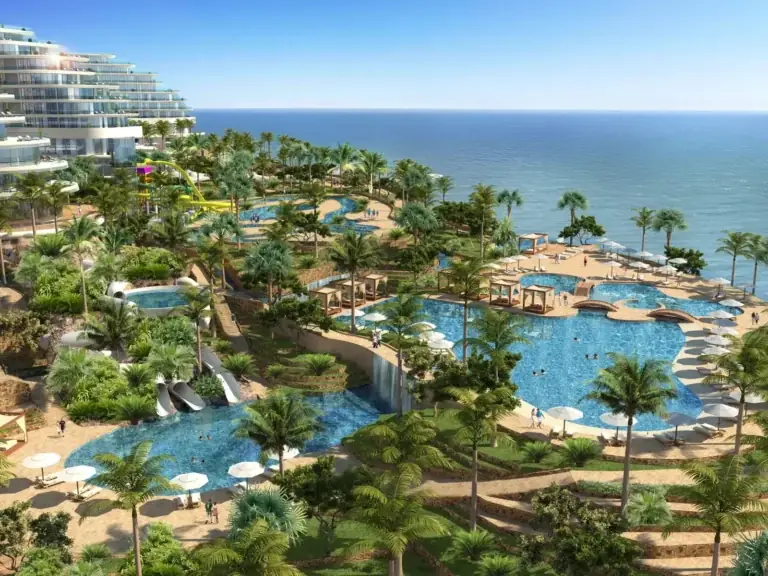
Best Premium Resorts Options: Luxury Asset Evaluation Guide
Evaluating destination hospitality assets requires an analytical perspective that extends beyond marketing imagery, consumer star ratings, and superficial amenity lists. For corporate travel managers, asset owners, family offices, luxury travel advisors, and hospitality analysts, assessing high-tier resort options requires a systematic understanding of civil engineering, spatial geometry, labor deployment, off-grid infrastructure, and lifecycle capital dynamics. Unlike urban hotel developments that rely on municipal power grids and standardized floor plates, destination resorts operate as self-contained infrastructure systems built within complex natural or geographic settings.
Evaluating these properties involves examining how physical site design supports operational delivery. An architectural design can look impressive in renderings yet fail operationally if back-of-house service routes cross guest walkways, if room layouts overload local housekeeping teams, or if off-grid utility systems lack capacity for peak seasonal demand. Conversely, a minimalist resort model built with sustainable civil engineering can command high daily rates by delivering complete privacy, quiet surroundings, and flawless service.
This study establishes a reference framework for assessing high-tier destination accommodations across global markets. By examining civil infrastructure models, service ratios, financial dynamics, operational risk, and long-term asset governance, this article provides a detailed reference for hospitality developers, asset evaluators, spatial planners, and resort management teams.
Understanding “best premium resort options”
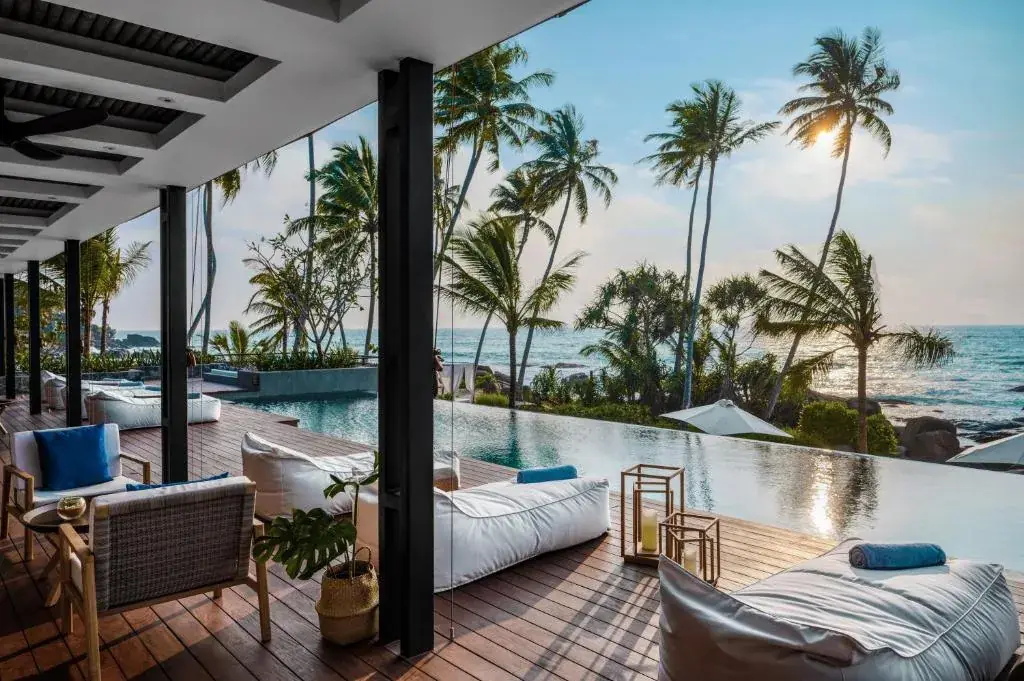
Evaluating the phrase best premium resort options requires unpacking both operational capacity and spatial design. In modern hospitality terminology, a destination resort is defined by its land footprint, building density, privacy features, off-grid utility capability, and high staff-to-guest ratios. When assessing properties within this category, analysts evaluate entire operational systems capable of delivering high-touch, personalized service while managing complex site topography, coastal erosion, or remote supply lines.
An analytical evaluation of destination resort options focuses on four core layers:
-
Spatial Layout & Topographic Integration: Building envelope placement, floor-area ratios (FAR), natural landscape integration, sightline protection between accommodation units, and acoustic privacy buffers.
-
Human Capital & Service Density: Dedicated staff-to-guest ratios (ranging from 2.0 to 5.0+ staff per occupied room), specialized staff housing, continuous training programs, and localized service hubs.
-
Logistical & Culinary Operations: The capacity to deliver private in-villa dining, run multiple high-end restaurants, and manage wellness facilities across expansive grounds without operational delays.
-
Civil Engineering & Off-Grid Utility Redundancy: Sizing and maintaining power micro-grids, seawater desalination plants, wastewater treatment systems, and coastal protection structures.
Misunderstandings and Oversimplification Risks
A common mistake in evaluating destination resort assets is assuming that low-density room layouts automatically guarantee high guest satisfaction or strong financial returns. While spreading guest villas across large parcels enhances privacy, doing so without supporting back-of-house logistics such as satellite prep kitchens, localized buggy charging pads, and dedicated linen hubs creates operational friction, lengthens staff travel times, and leads to cold meal deliveries.
Another oversimplification relies on aggregated consumer travel ratings or third-party awards. These scores often summarize individual guest impressions without evaluating core operational mechanics, such as mechanical system redundancies, groundwater depletion rates, or civil infrastructure health. A proper evaluation of the best premium resort options requires assessing physical site layouts, utility resilience, and labor models rather than relying solely on crowd-sourced review metrics.
Deep Contextual Background
The evolution of destination resorts reflects changing travel transport modes, wealth distribution, and environmental engineering. The late 19th and early 20th centuries established the foundational grand resort archetype: centralized, monumental mountain or seaside hotels built along rail lines. Properties like the Grand Hotel des Bains in Lido Venice or Banff Springs Hotel in the Canadian Rockies operated as self-contained social hubs for wealthy travelers.
Shift to Horizontal Low-Density Villa Models
As commercial aviation expanded in the post-WWII era, destination resort planning evolved away from centralized grand hotels toward decentralized horizontal layouts. Pioneered by luxury hotel groups in Asia and the Caribbean during the 1970s and 1980s, the low-density bungalow model prioritized private guest space, outdoor living rooms, and local material integration.
This spatial shift altered operational infrastructure:
-
Centralized Monolithic Model: High-density, multi-story buildings; shared central swimming facilities; short BOH service paths; centralized utility distribution.
-
Horizontal Decentralized Model: Low-density villa clusters; private plunge pools; decentralized utility piping; electric buggy transport networks; satellite kitchen prep hubs.
Integration of Branded Residences and Utility Systems
In recent decades, rising land acquisition, coastal engineering, and environmental compliance costs forced resort developers to adapt their financial models. Pure-play luxury resorts increasingly integrated branded residential villas alongside traditional hotel keys.
Selling branded residential units provides early capital that helps fund upfront civil infrastructure i, including road construction, deep-water wells, and solar micro-grids. Ongoing residential HOA fees help subsidize year-round site maintenance, security networks, and landscaping overhead.
Conceptual Frameworks and Mental Models
To systematically evaluate and benchmark high-end destination resorts, hospitality analysts and real estate developers utilize specific conceptual frameworks.
1. Dual-Corridor Circulation Topology
This framework evaluates a resort site plan by mapping two independent, non-intersecting pathways across the property:
-
Guest Circulation: Pedestrian paths, beach access promenades, and main dining access engineered for visual privacy and quiet surroundings.
-
Service Circulation: Sunken or screened service roads, maintenance yards, laundry channels, and waste processing hubs running parallel to guest spaces.
Application: Properties that maintain absolute separation between service carts and guest pathways score higher in operational performance and guest privacy metrics.
2. Utility Footprint Efficiency Index (UFEI)
UFEI measures the efficiency of distributing off-grid utility infrastructure relative to room key density.
-
Optimized Resort Model: UFEI balances low utility loss over long pipe runs with sufficient peak-load capacity for high-occupancy periods.
-
Inefficient Model: Excessively long utility distribution lines that result in water pressure drops, thermal loss, and high pumping expenses.
3. Spatial Yield per Hectare (SYPH)
SYPH evaluates how effectively a site plan monetizes land area, weighing built accommodation square footage against preserved open natural spaces.
Key Categories or Variations
Destination resorts fall into six distinct operational and geographic categories, each presenting clear trade-offs in guest experience, civil infrastructure, and spatial design.
1. Remote Island & Atoll Reserves
-
Characteristics: Built on isolated cays or atolls; low key counts (10–40 keys); self-contained off-grid utilities; direct water or air transfer access.
-
Advantages: High privacy and exclusivity; ocean access; premium pricing leverage.
-
Trade-Offs: Extreme civil construction expenses; high supply chain logistics; vulnerability to marine weather events.
2. High-Alpine & Mountain Sanctuaries
-
Characteristics: Located in high-elevation mountain environments or ski corridors; low-to-medium density; heavy structural snow-load engineering.
-
Advantages: High seasonal pricing leverage; scenic mountain positioning; integrated sports and wellness offerings.
-
Trade-Offs: Short construction windows; high heating and snow-removal expenses; seasonal demand fluctuations.
3. Coastal Cliffside & Headland Estates
-
Characteristics: Situated on coastal bluffs or steep headlands; deep foundation piling; elevated ocean views.
-
Advantages: Panoramic ocean views; dramatic natural aesthetics; clear spatial separation between villa terraces.
-
Trade-Offs: Complex foundation engineering; salt-air corrosion expenses; difficult beach access requiring funiculars or stairways.
4. Eco-Reserve & Rainforest Lodges
-
Characteristics: Built within nature reserves, rainforests, or wetland habitats; elevated boardwalk networks; low-impact screw-pile foundations.
-
Advantages: Immersive natural settings; high appeal for eco-conscious luxury travelers; unique design integration.
-
Trade-Offs: High maintenance costs from humidity and pests; strict environmental building rules; restricted physical expansion options.
5. Arid Desert & Oasis Enclaves
-
Characteristics: Located in arid inland deserts or dune landscapes; thermal mass architecture; deep aquifer water extraction systems.
-
Advantages: Quiet environment; clear weather year-round; distinctive architectural aesthetics.
-
Trade-Offs: High summer cooling loads; dust and sand mitigation demands; reliance on deep water well infrastructure.
6. Wellness & Agricultural Estates
-
Characteristics: Integrated into active vineyards, olive groves, or agricultural estates; focused on health diagnostics, spa therapies, and organic dining.
-
Advantages: High average length-of-stay; stable year-round demand; strong non-room revenue generation (spa, retail, dining).
-
Trade-Offs: Requires ongoing agricultural land management; large service footprints; higher non-room labor staffing.
Structural Comparison Matrix across Resort Categories
Detailed Real-World Scenarios
Marine Desalination Failure at an Island Resort
-
Context: A 35-key luxury island resort experiences a high-pressure pump breakdown in its primary seawater reverse osmosis (SWRO) plant during peak holiday occupancy.
-
Constraints: No local municipal water pipeline; replacement parts require 4 days for marine delivery; guest rooms feature private plunge pools and high daily water consumption.
-
Decision Path: Management activates a secondary backup SWRO unit, limits plunge pool refills to night hours, and deploys a temporary marine barge to transport freshwater from the mainland.
-
Failure Mode Prevented: Prevented water outages across guest suites, maintaining full resort operations without guest cancellations.
-
Second-Order Effects: The incident prompted owners to upgrade the backup desalination pump array, increasing CapEx reserves but protecting long-term operational resilience.
Cliff Erosion and Slope Stabilization on a Coastal Headland
-
Context: A 50-villa cliffside resort experiences severe coastal bluff erosion following an unseasonal storm system, threatening the foundation of three oceanfront suites.
-
Constraints: Heavy machinery access is restricted along steep terrain; local environmental laws prohibit oceanfront concrete seawalls.
-
Decision Path: Engineering teams install deep soil nails, subterranean tie-back anchors, and bio-engineered vegetation mats to stabilize the cliff face without building concrete seawalls.
-
Failure Mode Prevented: Avoided structural damage to oceanfront suites and preserved the natural coastal aesthetics required by local environmental regulators.
-
Second-Order Effects: Successful slope stabilization allowed the resort to maintain its oceanfront suite category, preserving top-tier room pricing.
Wildfire Preparedness and Evacuation at an Arid Estate
-
Context: A 40-villa desert wellness resort encounters a nearby wildfire during high summer winds.
-
Constraints: Single access road connecting the resort to the main highway; high guest density across outdoor spa facilities; potential power grid shutdown.
-
Decision Path: Management activates an automated rooftop sprinkler network powered by dedicated diesel pumps, converts central stone dining structures into fire-safe holding areas, and coordinates early road evacuation with local authorities.
-
Failure Mode Prevented: Prevented physical damage to guest accommodations and ensured zero guest injuries during a regional emergency.
-
Second-Order Effects: Transparent emergency management built strong trust among corporate travel partners, leading to multi-year booking commitments.
Planning, Cost, and Resource Dynamics
Evaluating destination resort investments requires assessing upfront civil engineering expenses, labor costs, and capital reserve requirements over a multi-decade horizon.
Direct, Indirect, and Opportunity Costs
-
Direct Operating Costs: On-duty payroll, food and beverage inventory, diesel fuel for backup generators, seawater desalination membranes, buggy fleet battery replacements, and coastal maintenance.
-
Indirect Costs: Environmental impact compliance audits, marine biological monitoring retainers, insurance coverage premiums, and municipal land leases.
-
Opportunity Costs: Allocating land area to low-density villa footprints rather than higher-density room blocks. Low-density layouts must command higher daily rates to justify higher infrastructure expenses per key.
Annual Operating Expense Benchmark Matrix ($ / Key / Year)
Tools, Strategies, and Support Systems
Operating and evaluating premier destination resorts relies on specialized software, diagnostic tools, and professional networks.
-
Micro-Grid Energy Management Platforms: Software systems (e.g., Schneider Electric EcoStruxure) that balance solar PV generation, battery storage discharge, and diesel generator run times in real time.
-
Geographic Information Systems (GIS) Mapping: Spatial planning software used to track site topography, floodplains, soil stability, and coastal erosion dynamics.
-
Computerized Maintenance Management Systems (CMMS): Platforms that schedule preventive maintenance on desalination plants, wastewater treatment facilities, and buggy fleets.
-
Subsurface Utility Engineering (SUE) Tools: Ground-penetrating radar and electromagnetic induction equipment used to map buried water, electrical, and data lines across large parcels.
-
Acoustic & Environmental Sensor Networks: Sensor arrays deployed across guest wings to monitor sound levels, ambient humidity, and groundwater table levels in real time.
-
Third-Party Quality Assurance Audits: Unannounced site inspections conducted by evaluation bodies (such as Forbes Travel Guide or LQA – Leading Quality Assurance) to measure operational standards.
-
Marine & Coastal Engineering Advisory Panels: Specialized consulting teams consisting of coastal geologists, marine biologists, and off-grid electrical engineers who review resort infrastructure.
Risk Landscape and Failure Modes
Operating a destination resort involves managing complex civil engineering and operational risks where system failures can damage property value and reputation.
1. Off-Grid Utility System Breakdown
-
Mechanism: Mechanical failure in primary desalination plants or solar inverter micro-grids during high-occupancy periods.
-
Compounding Impact: Water outages or power failures force room closures, lead to guest refunds, and damage brand reputation.
2. Logistical Sprawl Friction
-
Mechanism: Spreading accommodation villas across large parcels without building satellite prep kitchens, cart charging pads, or localized supply hubs.
-
Compounding Impact: Long staff transit times delay room turnover, cause food to lose temperature, and increase buggy fleet maintenance costs.
3. Coastal and Environmental Degradation
-
Mechanism: Building rigid concrete seawalls or clearing coastal mangroves, disrupting natural sand movement.
-
Compounding Impact: Accelerates beach erosion, damages surrounding marine ecosystems, and triggers regulatory penalties.
4. Margin Compression via Fuel and Labor Inflation
-
Mechanism: Escalating diesel fuel prices for power generation, combined with rising regional labor wages and marine freight rates.
-
Compounding Impact: Operating margins compress, forcing cuts to capital reserve contributions, which leads to physical property wear over time.
Governance, Maintenance, and Long-Term Adaptation
Preserving the asset value and operational standards of a destination resort requires structured governance, preventive maintenance, and systematic capital reinvestment.
Governance and Advisory Oversight
-
Asset Management Oversight: Monthly performance reviews evaluating GOPPAR (Gross Operating Profit Per Available Room), utility generation costs, and capital reserve spending.
-
Environmental Management Committees: Dedicated teams monitoring groundwater extraction, wastewater processing compliance, and local reef health.
-
Joint Technical Steering Boards: Review panels composed of property owners, brand operators, and civil engineering advisors that approve annual infrastructure budgets.
Measurement, Tracking, and Evaluation
Evaluating destination resort performance requires tracking financial yield metrics alongside civil utility and operational efficiency signals.
Leading vs. Lagging Performance Indicators
-
Leading Indicators (Operational & Utility Health):
-
Freshwater Production Cost ($/m³): Energy consumption per cubic meter of desalinated water reflects utility system efficiency.
-
Room Service Delivery Speeds: Staff travel times from satellite kitchens to outlying villas measure site circulation performance.
-
Micro-Grid Battery Retention Rates: Tracking battery storage performance predicts backup generator run-times.
-
-
Lagging Indicators (Financial & Environmental Outcomes):
-
Total Revenue Per Available Room (TRevPAR): Captures room rates, dining, spa, and activity spending across the property.
-
Gross Operating Profit Per Available Room (GOPPAR): Reflects operational efficiency after accounting for off-grid utilities, labor, and maintenance expenses.
-
Beach Restoration Expenditure: Annual capital required to maintain guest beaches highlights coastal planning choices.
-
Common Misconceptions and Oversimplifications
1. “Spreading Villas Wider Across Land Always Increases Property Value”
-
Reality: Uncontrolled horizontal sprawl increases civil utility piping expenses, lengthens staff travel times, slows down room service, and requires larger buggy fleets, eroding operating margins.
2. “Solar Power Completely Eliminates Resort Utility Operating Expenses”
-
Reality: Solar PV arrays and battery storage systems require substantial upfront capital, ongoing cleaning, electronic inverter replacements, and backup diesel generator maintenance, making power management an ongoing operational cost.
3. “Natural Sand Beaches Are Permanent Site Features”
-
Reality: Beaches move constantly under wave energy and currents. Building rigid concrete seawalls near the water line without understanding sand transport can accelerate beach erosion.
4. “Centralizing All Food Preparation Is Always the Most Efficient Choice”
-
Reality: On large resort sites, centralizing all kitchen operations causes food to lose temperature during transit. Building satellite finishing pantries near villa clusters improves food quality and delivery speed.
5. “Environmental Impact Audits Are Simple Regulatory Formalities”
-
Reality: Environmental studies identify real physical risks such as flood channels, storm surge zones, unstable soils, and protected ecosystems that directly determine where buildings can safely be constructed.
6. “Branded Residential Units Simply Duplicate Hotel Room Layouts”
-
Reality: Branded residences require larger floor layouts, private owner lock-off storage, separate residential entrances, and dedicated parking spaces, requiring integrated spatial planning from day one.
Ethical, Practical, and Contextual Considerations
Developing and evaluating destination resort options involves broader ecological, social, and cultural responsibilities:
-
Ecological Protection and Coral Reef Stewardship: Resort construction in delicate coastal or marine areas must protect local reef habitats, manage stormwater runoff, and avoid damaging natural mangrove systems.
-
Resource Security and Community Water Access: Off-grid resorts must manage water extraction and power generation without depleting local groundwater wells or straining surrounding community utility grids.
-
Staff Housing and Quality of Life in Remote Locations: Resort master plans should include comfortable, well-ventilated, and safe staff accommodation villages featuring dining, recreation, and medical facilities to support staff retention and service consistency.
Conclusion
Evaluating the best premium resort options requires looking beyond surface marketing to analyze physical site design, civil engineering systems, off-grid utility capability, and labor models. Destination resorts cannot be evaluated using standard urban hotel metrics. Their long-term success depends on a carefully designed balance between guest privacy, natural site integration, and efficient back-of-house utility systems.
A comprehensive assessment model evaluates dual circulation pathways, off-grid utility resilience, environmental adaptation, and realistic capital allocation schedules. By analyzing site topography, civil engineering choices, and operational flows as an integrated ecosystem, developers, asset managers, and travel planners can select properties that deliver exceptional guest experiences, operational efficiency, and lasting financial value.